I Ranked Every Website Builder [TIER LIST]
Choosing the right website builder for your business can feel overwhelming. There are dozens of platforms on the market, all promising to be the best, the fastest, or the easiest. But after building hundreds of websites across multiple platforms, I can tell you this: not all website builders are worth your time, or your money.
In this guide, I’m breaking down every major website builder, ranking them in a tier list from S-Tier (best of the best) to F-Tier (avoid at all costs). By the end, you’ll know exactly which platform is right for your business.
No fluff. No affiliate hype. Just the unfiltered truth.
How These Website Builders Are Ranked
Each platform is evaluated using five core criteria:
Ease of use
Design flexibility
Features
Pricing
Overall value
I’ve also taken into account who each platform is actually for. A tool might be brilliant for developers, but if it’s a nightmare for business owners to manage post-launch, it loses points.
Website Builder Tier List Explained
S-Tier - God-tier platforms (best overall)
A-Tier - Excellent, but not perfect
B-Tier - Solid options with trade-offs
C-Tier - Mediocre; you can do better
D-Tier - Actively holding you back
F-Tier - Avoid at all costs
Let’s dive in.
Start, scale & systemise your web design agency.
I bootstrapped my agency from zero to seven figures. The Margin is the operating system I wish I'd had.
Join The Margin


Need an expert to build your Squarespace website?
Book a free kick-off call with our team to discuss your project requirements in detail.
WordPress: B-Tier
WordPress powers roughly 43% of the internet, and for good reason. It’s incredibly powerful, endlessly customisable, and capable of doing almost anything.
Pros:
Massive plugin ecosystem
Extremely flexible
Ideal for developers and technical users
Cons:
Steep learning curve
Plugin conflicts and updates can break sites
Overkill for most business owners
Verdict: If you’re a developer, WordPress is fantastic. For the average business owner? It’s more hassle than it’s worth.
GoDaddy Website Builder: F-Tier
GoDaddy is great for domains, but their website builder is a hard pass.
Problems:
Clunky interface
Dated templates
Extremely limited flexibility
Aggressive marketing traps users with cheap intro pricing
Many clients come to me after getting stuck on GoDaddy, frustrated and feeling like they’ve wasted time and money.
Verdict: Avoid completely.
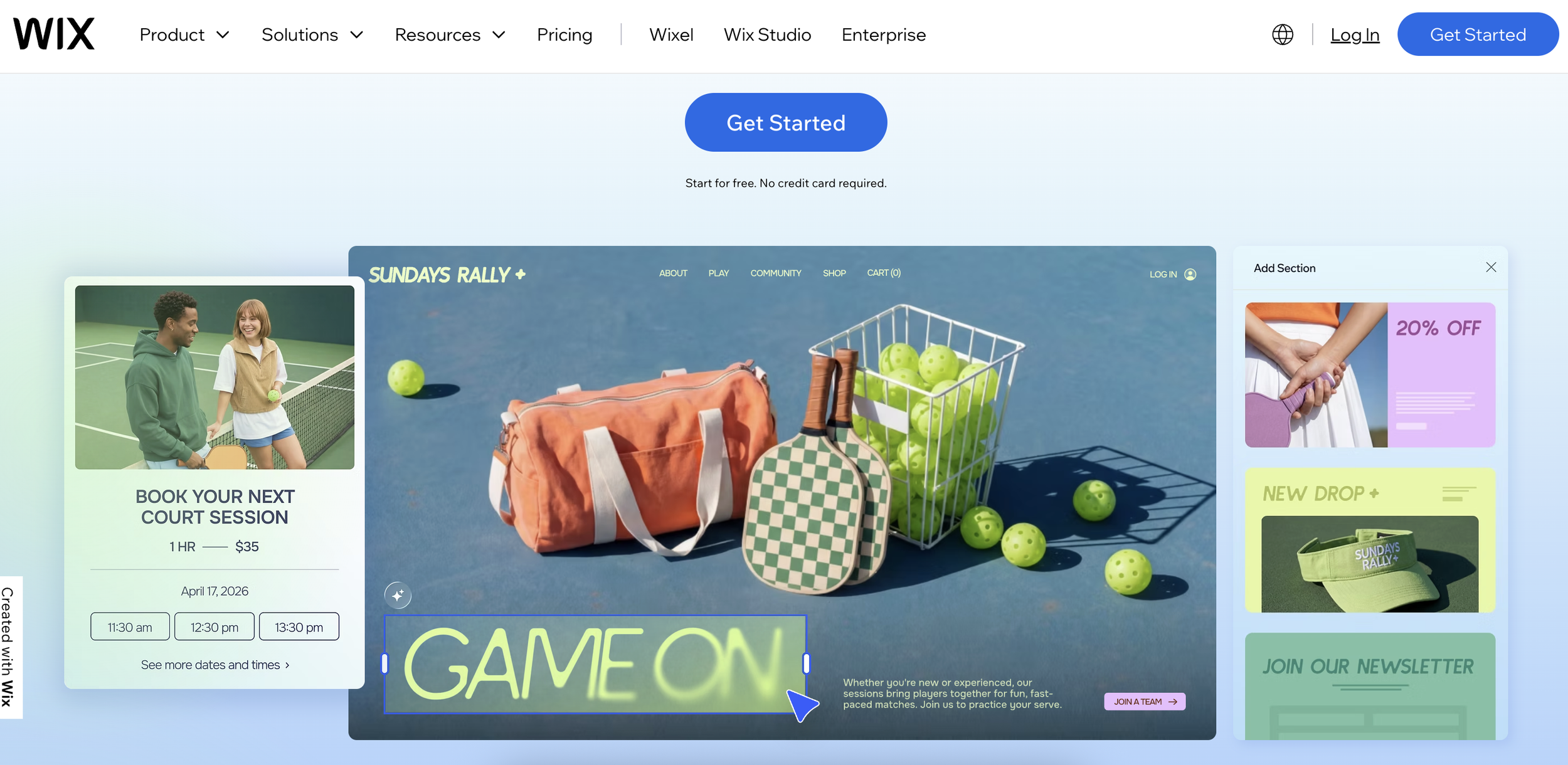
Wix: B-Tier
Wix is one of the most popular website builders on the market and often compared to Squarespace.
Pros:
Easy to get started
Large feature set
Good for simple websites
Cons:
Limited design flexibility
Editor X has a steep learning curve
Can be frustrating when working with agency-designed layouts
Verdict: A solid option, but not the most flexible or scalable choice.
Shopify: S-Tier (For Ecommerce)
If you’re running an online store, Shopify is in a league of its own.
Pros:
Built specifically for ecommerce
Seamless payment processing
Huge app ecosystem
Reliable and scalable
Cons:
Less suited for content-heavy or bespoke informational websites
Verdict: For ecommerce businesses, Shopify is an easy S-Tier.
Weebly: D-Tier
Weebly used to be competitive, but it hasn’t kept up.
Issues:
Outdated interface
Limited features
Far less powerful than Wix or Squarespace
Verdict: Falling behind and not worth considering in 2026.
Webflow: B-Tier
Webflow is incredibly powerful and capable of producing stunning, custom designs.
Pros:
Near-code-level design control
Ideal for designers and developers
Excellent performance
Cons:
Very steep learning curve
Not beginner-friendly
Difficult for business owners to maintain post-handover
Verdict: Powerful, but only for pros.

Carrd: C-Tier
Carrd is a simple, low-cost one-page website builder.
Best for:
Landing pages
Personal portfolios
Link-in-bio pages
Limitations:
No real blogging
No ecommerce
Not suitable for serious businesses
Verdict: Has a place, but very limited.
IONOS Website Builder: F-Tier
Similar to GoDaddy, IONOS attracts users with low prices but disappoints quickly.
Problems:
Clunky builder
Uninspired designs
Limited scalability
Verdict: Another platform to avoid.
Framer: B-Tier
Framer is gaining popularity, especially among UI/UX designers.
Pros:
Beautiful interactions
Reusable components
Strong design potential
Cons:
Steep learning curve
Still maturing as a platform
Recent price hikes raise concerns
Verdict: Huge potential, but not quite there yet.
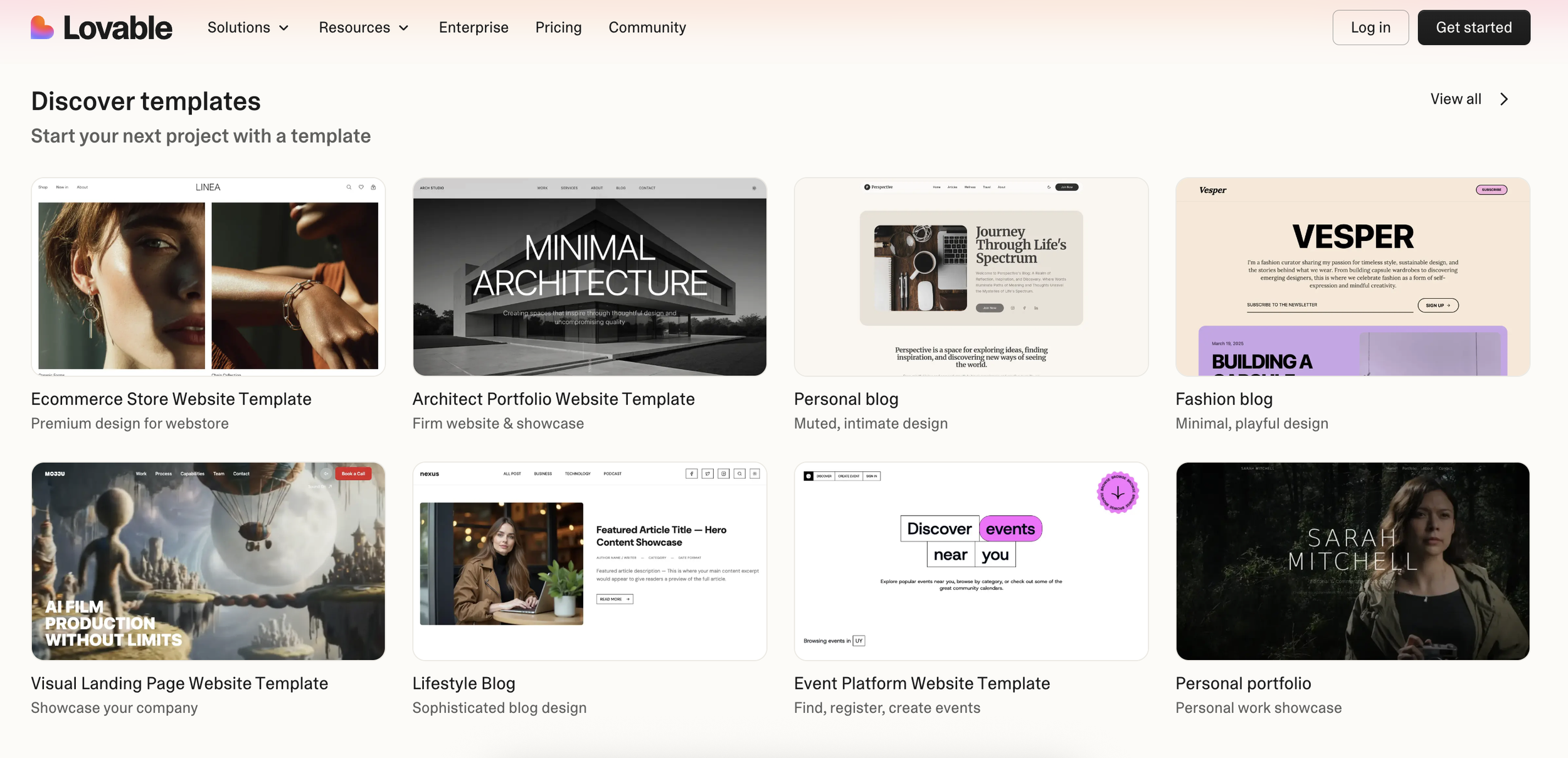
Lovable (AI Website Builder): C-Tier
Lovable is an AI-powered website builder that can generate sites from text prompts.
Pros:
Impressive AI output
Improving rapidly
Fun to experiment with
Cons:
Not feature-rich
Better suited to apps than traditional websites
Still unproven long-term
Verdict: Promising, but early days.
Drupal: C-Tier
Drupal is an open-source CMS known for scalability and security.
Pros:
Enterprise-grade
Used by governments and universities
Cons:
Extremely steep learning curve
Requires developers for almost everything
Overkill for most businesses
Verdict: Only worth it for very specific enterprise needs.
Custom-Built Websites: A-Tier
A fully custom website offers complete control and ownership.
Pros:
Unlimited flexibility
No platform restrictions
Ideal for large enterprises
Cons:
Expensive
Time-consuming
Requires ongoing specialist support
Verdict: Excellent, but only if you have the budget and team.
Squarespace: S-Tier (Best Overall)
Squarespace is the best all-round website builder for most businesses.
Why Squarespace wins:
Extremely easy to use
Beautiful templates
Fast setup
Strong balance between design and usability
Supports advanced custom code when needed
This is the platform I use for the vast majority of client projects.
Verdict: For most creators and businesses, Squarespace is a no-brainer S-Tier.
Final Thoughts: Which Website Builder Should You Choose?
No matter which platform you choose, the fundamentals still matter. Design, structure, messaging, and usability are what make a website feel premium, not just the tool you build it on.